
Why Coffee Bags Need Degassing Valve
This article explains why coffee bags need degassing valves by exploring how freshly roasted beans release CO₂. It highlights the risks of not using a valve and shows how one-way valves preserve freshness, protect flavor, and improve packaging performance.
3/27/20262 min read
Why Coffee Bags Need a Degassing Valve (a.k.a. Let Your Beans Breathe… Politely) ☕
Ever seen a coffee bag puffed up like it just did a full workout at the gym?
That’s not a design feature—that’s your coffee beans literally releasing gas.
Welcome to the surprisingly dramatic world of coffee degassing.
💨 Coffee Beans Are Alive… Well, Almost
Right after roasting, coffee beans go through a phase called degassing. During this time, they release carbon dioxide (CO₂)—a natural byproduct of roasting.
Fun fact:
Freshly roasted beans can release gas for days (even weeks!) after roasting.
So yes, your coffee is basically… quietly exhaling.
🚫 What Happens Without a Degassing Valve?
If you seal fresh coffee in a bag without a valve, things can get… awkward:
🎈 Bag inflation – looks like it’s about to float away
💥 Bursting risk – yes, bags can actually pop
😬 Seal damage – goodbye freshness
🛑 Customer confusion – “Is this… supposed to happen?”
Not exactly the premium experience you’re going for.
✅ Enter the Hero: Degassing Valve
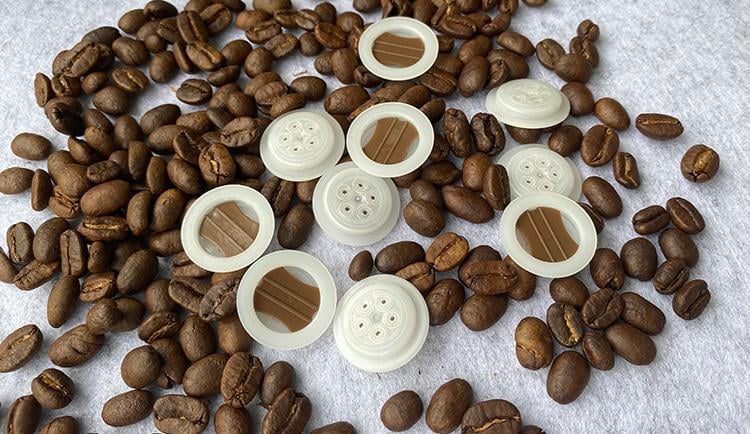
A one-way degassing valve is a small, round feature on coffee bags—but don’t let its size fool you.
What it does:
✔️ Lets CO₂ escape from inside the bag
❌ Prevents oxygen from entering
🔒 Maintains freshness and aroma
Think of it as a bouncer at a club:
CO₂? “You can leave.”
Oxygen? “Not on the list.” 🚫
🧠 Why This Matters (More Than You Think)
1. Preserves Freshness
Oxygen is coffee’s worst enemy. Without a valve, you either trap gas (bad) or let air in (also bad).
2. Protects Flavor
Too much trapped CO₂ can actually affect extraction when brewing. A valve helps beans stabilize properly.
3. Improves Shelf Life
Your coffee stays fresher longer—meaning happier customers and fewer complaints.
4. Professional Packaging Standard
Let’s be real:
No valve = “Hmm…”
Valve = “Okay, this brand knows what it’s doing.”
⚖️ Do All Coffee Bags Need a Valve?
Short answer: Not always—but usually, yes.
You NEED a valve if:
You’re packing freshly roasted whole beans
Your coffee will be stored for more than a few days
You want premium quality and shelf life
You might NOT need one if:
You’re packaging ground coffee (less degassing)
Coffee is consumed very quickly
It’s instant coffee (no drama there)
☕ Final Thoughts
A degassing valve might be small, but it plays a huge role in keeping your coffee fresh, safe, and delicious.
Without it, your coffee bag turns into a ticking time bomb (okay, slight exaggeration—but still).
With it, your beans stay happy, your packaging stays intact, and your customers stay impressed.
So next time you see that little round valve…
give it the respect it deserves.
Coffee Packaging Manufacturer
We specialize in manufacturing high-quality coffee packaging bags including stand up pouches, flat bottom bags, and recyclable coffee bags for coffee brands worldwide.
Request a Quote
© 2026 LX Packaging (huizhou) Co., Ltd All rights reserved.