
Why Does Coffee Quality Decline During Long-Distance Transportation?
Coffee producers and roasters invest heavily in sourcing premium green coffee beans, yet many overlook a critical stage in preserving quality: long-distance transportation. During ocean shipping, coffee can spend 30 to 60 days exposed to fluctuating temperatures, changing humidity levels, and constant physical movement inside containers. These conditions can alter moisture content, accelerate flavor degradation, encourage mold growth, and even damage packaging integrity. So why does coffee that leaves origin in excellent condition sometimes arrive with reduced aroma, inconsistent roasting performance, or signs of spoilage? In this article, we explore the hidden environmental and packaging challenges that coffee faces during international transport and examine how advanced packaging solutions can help protect freshness from origin to destination.
7/8/20262 min read
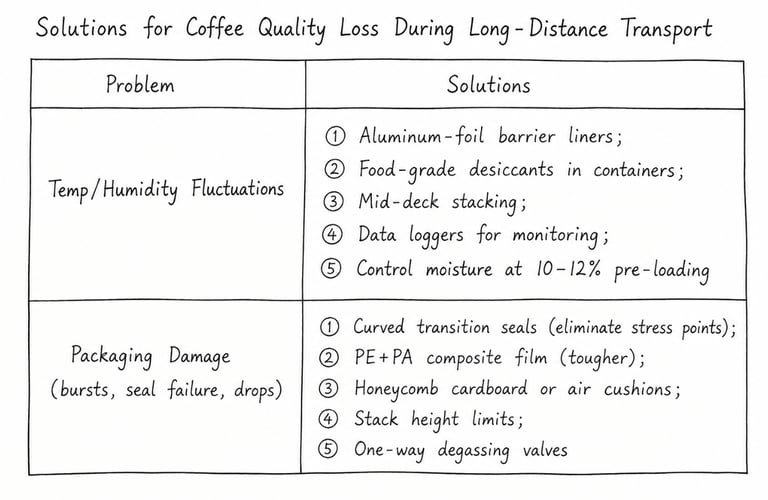
The decline in coffee quality during long-distance transportation is primarily due to drastic temperature and humidity fluctuations inside shipping containers, which disrupt the chemical balance of the coffee beans and can promote mold growth. Physical damage, such as burst bags or cracked seals, adds to the problem, compounding the overall quality loss.
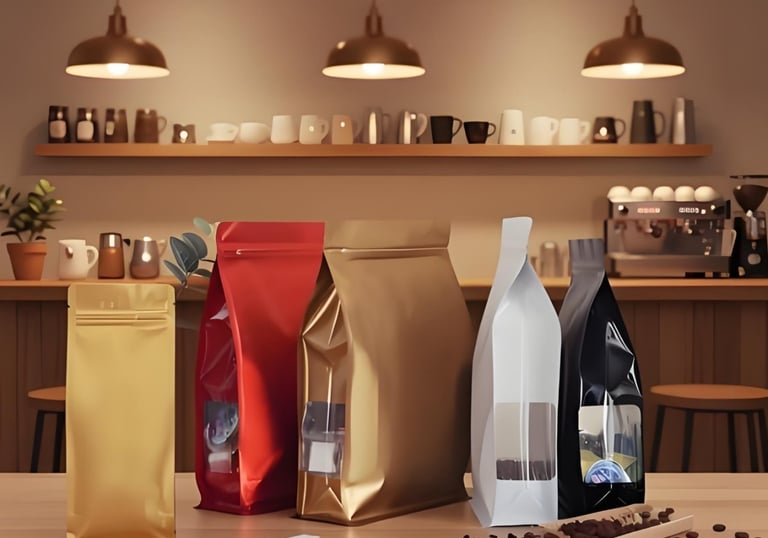
Primary Culprit: Drastic Temperature and Humidity Fluctuations
The biggest environmental challenge for green coffee beans during long ocean voyages is unstable conditions. A study tracking coffee shipped from Brazil to Italy found that over a 30- to 60-day journey, temperature and humidity varied significantly across different positions inside the same container, with clear effects on bean quality.
Location matters – lower decks are riskier: Beans in containers at the bottom of the hold were most affected, with moisture content varying by up to 3%, and visible condensation even forming. Containers on deck saw intermediate effects, with moisture variation around 2%, while those in the upper layer inside the ship fared best, with changes of only 0.7%. Such moisture swings disrupt the beans' internal chemical composition, directly impacting final flavor.
Breeding ground for mycotoxins: The most serious consequence of humidity fluctuation is the creation of ideal conditions for mold. The study detected ochratoxin A – a potentially harmful mycotoxin – in beans from containers on the upper deck and in moisture-affected beans from the hold. High humidity provides ample time and conditions for fungal growth.
Exploring "freshness" solutions: To tackle these challenges, the industry is testing various approaches. One study found that using desiccants in sealed packaging effectively stabilized moisture content and color. Additionally, using airtight packaging materials helps prevent external moisture intrusion.
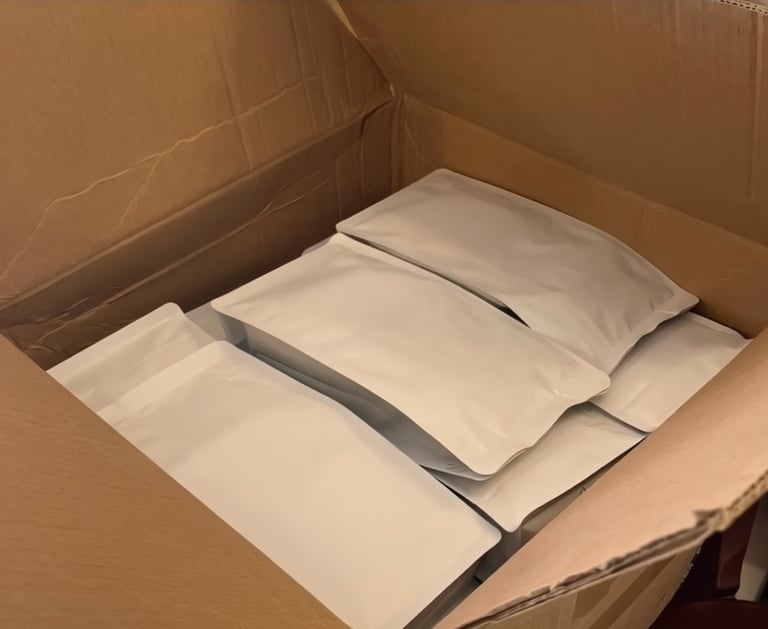
Physical Damage: Packaging Failures and Content Loss
Beyond environmental factors, physical impacts during transit also directly degrade quality.
Packaging "weak points": Burst bags and cracked seals are often linked to packaging design and processes. For example, gusseted bags have stepped structures where cross-seals meet gusset folds, creating uneven stress points during heat-sealing – weak spots prone to failure under the jostling of long hauls. Manufacturers respond by using more flexible inner layers or thicker materials to improve impact resistance.
Direct consumer feedback: Packaging damage is a recurring issue in real-world shipments. External temperature changes during transit also contribute, and the industry acknowledges that this phenomenon remains "difficult to control" for now.
In summary, long-distance transport degrades coffee quality from the inside out through temperature and humidity swings, while physical shocks damage the packaging and product integrity. Together, these factors are the primary reasons why coffee quality declines after its ocean journey.
Coffee Packaging Manufacturer
We specialize in manufacturing high-quality coffee packaging bags including stand up pouches, flat bottom bags, and recyclable coffee bags for coffee brands worldwide.
Request a Quote
© 2026 LX Packaging (huizhou) Co., Ltd All rights reserved.